



Looking to buy commercial property in New Jersey? It can feel like a big undertaking, but with the right approach, it doesn’t have to be overwhelming. This guide breaks down what you need to know about the New Jersey commercial real estate for sale market, from understanding local trends to making sure you’re making a sound investment. We’ll cover the different types of properties you might find, how to search effectively, and what to consider financially. Plus, we’ll walk through the steps of checking out a property and finalizing the deal. Let’s get started on finding your next commercial space in the Garden State.
Key Takeaways
- Understand current market trends and how local economies affect property values when looking at nj commercial real estate for sale.
- Familiarize yourself with the different types of commercial properties available, such as offices, retail spaces, and industrial buildings.
- Use online tools and work with experienced brokers to find suitable properties that match your investment goals.
- Carefully review financing options, property taxes, and operating costs to assess the financial viability of a purchase.
- Thoroughly check zoning laws, property condition, and existing leases before finalizing any commercial real estate transaction.
Understanding the New Jersey Commercial Real Estate Landscape
Key Market Trends in NJ
The commercial real estate scene in New Jersey is always shifting, and keeping up with what’s happening is pretty important if you’re looking to buy. Right now, we’re seeing a lot of interest in industrial and warehouse spaces, thanks to the growth in e-commerce and logistics. Office markets are a bit mixed; some areas are doing well, especially those with good amenities and transit access, while others are still figuring out the long-term impact of remote work. Retail is also seeing changes, with a focus on experiential shopping and well-located centers doing better than others. It’s a good idea to check out reports from places like Cushman & Wakefield for the latest data on supply, demand, and pricing.
Identifying Prime Commercial Property Locations
When you’re scouting for commercial property in New Jersey, location really is everything. Think about where your customers or employees will be coming from. Proximity to major highways, public transportation, and other businesses can make a big difference. Areas with a strong local economy and a growing population tend to be good bets. For example, certain parts of Northern New Jersey benefit from their closeness to New York City, while South Jersey has its own advantages with ports and access to Philadelphia. You’ll want to look at:
- Access to transportation networks (highways, ports, airports)
- Local workforce availability and skill sets
- Demographics of the surrounding area
- Presence of complementary businesses
The Impact of Local Economies on NJ CRE
Every town and county in New Jersey has its own economic vibe, and that directly affects commercial real estate. A place with a strong job market, low unemployment, and businesses that are expanding is usually a good sign for property values. On the flip side, if a local economy is struggling, it can lead to higher vacancy rates and lower rents. It’s worth looking into the specific industries that drive the local economy where you’re considering buying. For instance, areas with a strong pharmaceutical or tech presence might see different trends than those focused on manufacturing or tourism. Understanding these local economic drivers helps you predict how a property might perform over time.
It’s not just about the big picture; the specific town or even neighborhood can have a huge impact on your investment. Small differences in local regulations or the presence of a major employer can really change things.
Types of Commercial Properties Available in New Jersey
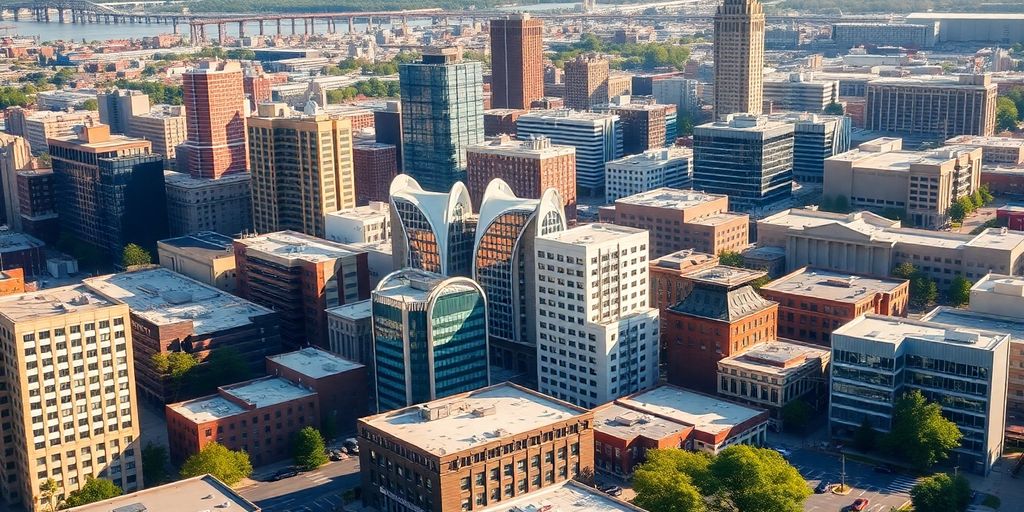
New Jersey’s commercial real estate market is pretty diverse, offering a lot of different property types for buyers and investors. It’s not just one-size-fits-all, which is good because everyone’s needs are different. You’ve got your standard office spaces, but then there’s a whole lot more.
Office Buildings and Suites
These are probably what most people think of first. We’re talking about standalone office buildings, or just a floor or a few rooms within a larger building. These can range from small, single-tenant setups to massive corporate headquarters. The market here is influenced by things like commute times, local amenities, and the general business climate of the area. Finding the right office space often comes down to matching the size, layout, and location to your specific business operations. Some businesses need a lot of private offices, while others prefer open-plan areas. It’s a big consideration.
Retail Spaces and Shopping Centers
If you’re looking to sell products or services directly to the public, retail is your game. This category includes everything from small storefronts on a main street to large shopping malls and strip centers. Location is absolutely key for retail. High foot traffic and good visibility are usually what drive success. Think about what kind of customers you want to attract and where they tend to shop. A boutique clothing store might do well on a busy downtown street, while a big-box store might need a location with ample parking and easy access from major roads. We’ve got updated listings of commercial properties in Bergen County that might fit the bill.
Industrial Warehouses and Distribution Hubs
For businesses involved in manufacturing, storage, or distribution, industrial properties are the way to go. These are typically large, functional spaces designed for specific operational needs. Think warehouses, factories, flex spaces (which combine office and industrial), and distribution centers. Proximity to transportation networks like highways, ports, and rail lines is often a major factor for these types of properties. The demand for these spaces has been growing, especially with the rise of e-commerce. They need to be practical and efficient for moving goods in and out.
Multifamily Investment Opportunities
While technically commercial real estate, multifamily properties are a bit different. These are buildings with multiple residential units, like apartment buildings or duplexes. Investors often look at these for the steady income stream they can provide through rent. The appeal here is in the cash flow and the potential for property appreciation. Analyzing tenant demographics, rental rates, and vacancy rates in the surrounding area is pretty important when considering these investments. It’s a different ballgame than buying a single office or retail spot.
Navigating the Search for NJ Commercial Real Estate for Sale

Finding the right commercial property for sale in New Jersey can feel like a big task, but breaking it down makes it much more manageable. You’ve got a few main ways to go about it, and each has its own perks.
Utilizing Online Listing Platforms
These days, most of the heavy lifting can be done right from your computer. Websites dedicated to commercial real estate are packed with listings. You can filter by location, property type, price range, and even specific features like square footage or the number of parking spaces. It’s a good starting point to get a feel for what’s out there and what the general price points are. You can often find detailed property descriptions, photos, and sometimes even virtual tours. This initial online search helps narrow down your options considerably before you even think about visiting a property. It’s also a great way to keep an eye on new listings as they come up, so you don’t miss out on a good opportunity. For example, if you’re interested in the shore towns, you might search for commercial property listings in Rumson to see what’s available in that specific area.
Partnering with Experienced Commercial Brokers
While online platforms are useful, nothing beats the insight and connections of a seasoned commercial real estate broker. These professionals know the New Jersey market inside and out. They often have access to listings that aren’t publicly advertised yet, sometimes called
Financial Considerations for Buying Commercial Property in NJ
So, you’ve found a great commercial spot in New Jersey. That’s awesome! But before you get too excited, let’s talk about the money side of things. It’s not quite like buying a house, and there are some specific financial hurdles to clear. Getting your finances in order is probably the most important step before you even start looking seriously.
Securing Commercial Real Estate Financing
Finding the cash for a commercial property is different from a residential mortgage. You’ll likely need a commercial real estate loan. These loans often have shorter terms and higher interest rates than residential ones. Lenders will want to see a solid business plan and proof that you can actually pay them back. They’ll look at your credit history, your business’s financial health, and the property itself. Sometimes, you might need a larger down payment too, maybe 20-30% or even more, depending on the deal and the lender. It’s a good idea to shop around with different banks and credit unions to see who offers the best terms for your situation. Getting pre-approved can really speed things up once you find the right property.
Understanding Property Taxes and Operating Expenses
Beyond the loan payment, there are ongoing costs. Property taxes in New Jersey can vary quite a bit depending on the town. You’ll need to factor these into your monthly budget. Then there are operating expenses, often called CAM charges (Common Area Maintenance) if it’s a multi-tenant building. These cover things like upkeep of shared spaces, landscaping, security, and sometimes even utilities for common areas. You also have to think about insurance, repairs, and potential vacancies. It’s easy to underestimate these costs, so make sure you get a clear picture of all the expenses associated with the property. A good broker can help you estimate these accurately.
Evaluating Potential Return on Investment
When you buy commercial property, you’re usually doing it to make money, right? So, you need to figure out if it’s a good investment. This means looking at the potential income the property could generate, usually from rent. You’ll want to compare that income against all your costs – the loan payment, taxes, operating expenses, and any money you might need for renovations. A common way to look at this is the capitalization rate, or cap rate. It’s basically the net operating income divided by the property’s value. A higher cap rate generally means a better return, but it can also mean higher risk. You also need to consider how much you might be able to sell the property for in the future. Thinking about the long-term value is just as important as the immediate income. Understanding New Jersey’s real estate market is key to making a smart investment decision.
It’s really about crunching the numbers and making sure the property makes financial sense for your goals. Don’t just fall in love with a building; make sure it’s a sound business decision first.
The Due Diligence Process for New Jersey Properties
So, you’ve found a commercial property in New Jersey that looks promising. That’s great! But before you get too excited and start planning your grand opening, there’s a really important step: due diligence. Think of it as a thorough check-up for the property. It’s where you make sure everything is as it seems and that there aren’t any hidden problems that could cost you later.
Property Inspections and Environmental Assessments
First off, you’ll want to get a professional inspection. This isn’t just a quick walk-through; a qualified inspector will look at the building’s structure, the roof, the HVAC system, plumbing, and electrical work. They’ll tell you if anything needs immediate repair or if it’s likely to need attention soon. Beyond the physical building, you also need to consider the environment. New Jersey has specific regulations regarding environmental assessments, especially for older properties or those that might have had industrial use. This could involve checking for soil contamination, asbestos, or lead paint. Getting these checks done is key to understanding potential future costs and liabilities. It’s better to know now than to be surprised by a massive cleanup bill down the road.
Reviewing Zoning Laws and Regulations
Next up is zoning. Every piece of land in New Jersey is zoned for specific uses – like retail, industrial, or residential. You absolutely have to make sure the property you’re buying is zoned for the type of business you plan to run there. If it’s not, you might have to go through a lengthy and uncertain process to get a variance, or you might not be able to use it for your intended purpose at all. It’s also wise to check for any local ordinances or specific regulations that might affect your operations, like signage rules or operating hour restrictions. Understanding the [zoning laws and regulations](https://www.nj.gov/dca/divisions/planning/ zoning.shtml) is non-negotiable.
Analyzing Lease Agreements and Tenant Histories
If the property you’re looking at already has tenants, you can’t skip this part. You need to carefully review all existing lease agreements. What are the terms? When do the leases expire? What are the rental amounts? Are the tenants paying on time? You’ll want to look into the financial stability of the tenants and their payment history. A property with reliable tenants paying consistent rent is a much safer investment. This is where you can really get a feel for the property’s income potential and any risks associated with current occupants. A good real estate due diligence checklist will always include a deep dive into tenant contracts.
Due diligence is your best defense against unexpected problems and costly mistakes. It’s the process of verifying all the facts and figures related to a commercial property before you commit to buying it. Taking the time to do this right protects your investment and sets you up for success.
Negotiating and Closing on Your Commercial Purchase
So, you’ve found the perfect spot for your business or investment in New Jersey. That’s great! But now comes the part where you actually buy it. It can feel a bit like a maze, but breaking it down makes it much more manageable. The goal here is to get the best deal possible while making sure everything is on the up and up before you sign on the dotted line.
Crafting a Competitive Offer
When you decide to make an offer, you can’t just throw out a number. You need to think about what the property is really worth, what similar places have sold for recently, and what your budget allows. It’s also smart to show the seller you’re serious. This might mean including a decent earnest money deposit. You also want to be clear about what’s included in the sale – like any fixtures or equipment. A well-thought-out offer shows you’re a serious buyer.
Key Clauses in Purchase Agreements
This is where the legal stuff gets important. The purchase agreement is the contract that lays out all the terms. You’ll see things like the purchase price, closing date, and what happens if someone backs out. Some really important clauses to pay attention to include:
- Financing Contingency: This means your purchase depends on getting approved for a loan. If you don’t get the money, you can usually walk away without losing your deposit.
- Inspection Contingency: This lets you back out if the property inspection reveals major problems you can’t agree on with the seller.
- Title Contingency: This ensures the seller can actually transfer clear ownership of the property to you.
It’s really important to have a lawyer look over this document. They can spot things you might miss and make sure your interests are protected. Don’t just skim it!
The Closing Process Explained
Closing is the final step where ownership officially changes hands. It involves a lot of coordination. Your lawyer and the seller’s lawyer will work together, along with title companies and lenders. You’ll need to bring the rest of your down payment and any closing costs. The title company makes sure the title is clear and registers the new deed. Once all the paperwork is signed and the money is transferred, you get the keys. It’s a big moment, and understanding how commercial real estate transactions close makes it less stressful. You’ll want to be sure all your financing is in order before this final step.
Wrapping It Up
So, that’s the lowdown on buying commercial property in New Jersey. It’s a big step, for sure, and there’s a lot to think about. But with a bit of homework and the right people in your corner, it’s totally doable. Don’t get discouraged if it takes some time to find the right spot. Keep your goals in mind, do your research, and you’ll get there. Good luck with your search!
Frequently Asked Questions
What’s the first step when looking for commercial property in New Jersey?
Think about what you’ll use the building for. Do you need a place for offices, stores, or warehouses? Knowing this helps you look for the right kind of property.
Is it important to work with a real estate agent?
Yes, having a good real estate agent who knows a lot about commercial properties in New Jersey can make a big difference. They can help you find good deals and guide you through the process.
How do I pay for a commercial property?
You’ll need to figure out how you’re going to pay for the property. This might mean getting a loan from a bank. You should also think about ongoing costs like taxes and upkeep.
What does ‘due diligence’ mean when buying property?
Before you buy, it’s super important to check everything out. This includes making sure the building is in good shape and that it’s allowed to be used for your business by local rules.
How do I make an offer and buy the property?
You’ll need to make a fair offer based on what the property is worth and what similar places have sold for. Then, you’ll sign papers and officially become the owner.
How do market trends affect buying property in New Jersey?
New Jersey’s commercial real estate market changes a lot. Things like job growth and new businesses opening up can affect property values and how easy it is to find what you need.