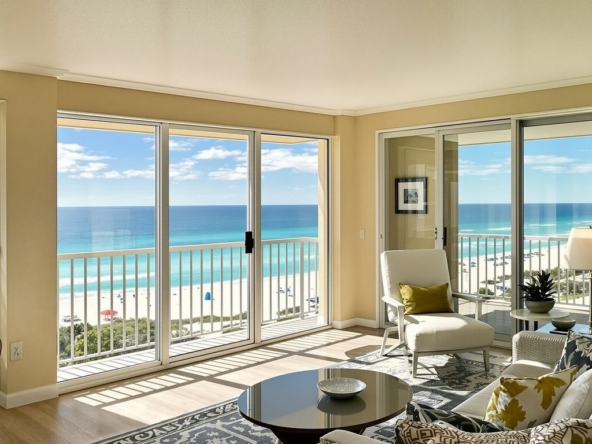




Thinking about buying or selling a home in Tampa next year? The tampa housing market is always changing, and 2025 looks like it will be no different. We’ve put together some thoughts on what to expect, looking at the economy, how many people are moving here, and what’s happening with jobs. It’s a lot to keep track of, but understanding these pieces can help you make better decisions whether you’re looking for a new place or trying to sell your current one. Let’s break down what might be coming.
Key Takeaways
- Economic factors and population increases are big drivers for the tampa housing market.
- Expect continued interest in single-family homes, but condos and townhouses are also important to watch.
- Interest rates and the number of homes available will play a large role in how active the market is.
- Some Tampa neighborhoods are becoming more popular for buyers and investors.
- Buyers might face a competitive market, while sellers should focus on presentation to get the best price.
Understanding Tampa Housing Market Dynamics
Key Economic Indicators Influencing Tampa Real Estate
When we talk about the Tampa housing market, a few big economic factors really set the stage. Think about things like job growth – are more people moving here for work? That directly impacts how many folks are looking for a place to live. We also need to keep an eye on interest rates. If borrowing money becomes cheaper, more people can afford to buy, which usually pushes prices up. It’s a bit of a balancing act, really. The overall health of the national economy plays a part too, but local Tampa Bay trends are what we’re really focused on.
Population Growth and Its Impact on Demand
Tampa has been a magnet for people, and that’s not slowing down. More people moving in means more demand for housing, plain and simple. This isn’t just about apartments; it’s about single-family homes, townhouses, you name it. When lots of people want the same thing, and there isn’t enough of it, prices tend to climb. It’s basic supply and demand, but with people. We’re seeing this play out across the region, from downtown condos to suburban neighborhoods. It’s important to remember that over 46% of mortgaged homes were equity-rich in the first quarter of 2025, which is a good sign for homeowners home equity.
Job Market Trends Shaping Housing Needs
The types of jobs available in Tampa also shape what kind of housing people need. Are we seeing a boom in tech jobs that might mean more demand for modern apartments or condos? Or is it more about service industry growth, which could mean more interest in starter homes? The job market dictates income levels and, consequently, what people can afford. A strong job market with diverse opportunities is a big plus for the housing scene. It means more stability and more potential buyers or renters. We’re seeing a lot of growth in sectors like healthcare and technology, which is good news for the area’s housing market.
Residential Property Trends in Tampa Bay
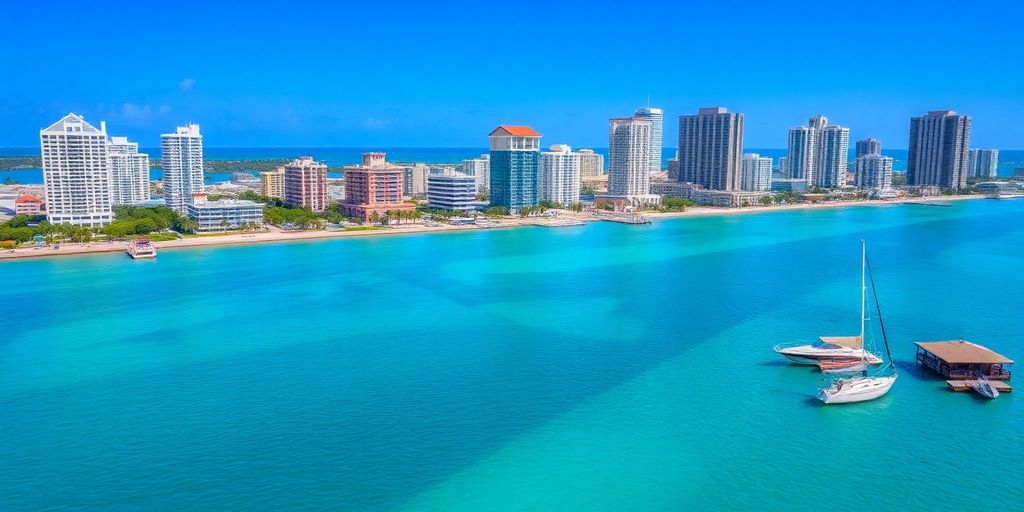
Let’s talk about what’s actually happening with homes in the Tampa Bay area. It’s not just one big market; different types of places are doing their own thing.
Single-Family Home Market Analysis
The single-family home market has been the workhorse for a while now. We’re seeing steady demand, especially from folks moving here for jobs or looking for more space. Prices have climbed, but the rate of increase might be slowing a bit compared to the frenzy of a couple of years ago. It’s still a seller’s market in many popular spots, but buyers have a little more room to breathe than they did recently. Finding a well-maintained single-family home in a good school district remains a top priority for many families.
Condominium and Townhouse Market Outlook
Condos and townhouses are a different story. They’re often more affordable entry points into the market, which is a big draw. We’re seeing a good amount of activity here, particularly in urban areas and near amenities. Some of the newer developments are offering attractive features, but it’s important to check out the HOA fees and rules. For those looking for a lower-maintenance lifestyle, these are definitely worth considering. The supply here can fluctuate, so keeping an eye on new construction is key.
Rental Market Performance and Projections
The rental market is still pretty strong. With home prices being what they are, renting makes a lot of sense for many people, especially younger professionals or those new to the area. We’re seeing consistent demand for apartments and single-family homes for rent. Landlords are generally seeing good returns, though rising property taxes and insurance costs are starting to pinch a bit. Expect rents to continue to be competitive, especially in desirable locations. It’s a good time to be a landlord, but you have to be smart about your expenses. You can find more details on local market conditions from sources like the Hillsborough County Property Appraiser.
The mix of people moving to Tampa, from young families to retirees, means there’s a demand for all sorts of housing. It’s not just about buying; renting is a huge part of the picture too, and it’s not going away anytime soon.
Factors Driving Tampa Housing Market Activity
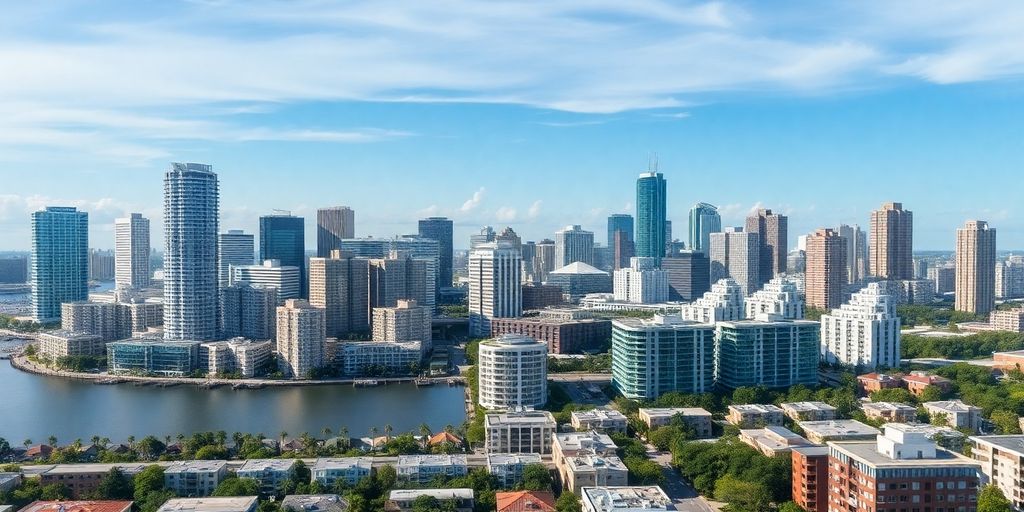
So, what’s really making the Tampa housing market tick these days? It’s not just one thing, of course. A few big players are always at work, shaping how many homes are for sale and what people are willing to pay. Understanding these forces is key if you’re thinking about buying or selling in the area.
Interest Rate Environment and Mortgage Affordability
Let’s talk about interest rates. When they go up, mortgages get more expensive, plain and simple. This means buyers can afford less house for the same monthly payment. It can cool down demand pretty quickly. On the flip side, when rates are low, people can stretch their budgets, which usually means more buyers are out there looking. It’s a direct line to how many people can actually afford to buy a home here. We’ve seen shifts that really impact affordability, and it’s something to watch closely if you’re planning a purchase. Keeping an eye on mortgage rates is a good idea for anyone looking at the Tampa real estate market.
Inventory Levels and Supply Chain Considerations
Next up is inventory – how many homes are actually available for sale. If there aren’t many homes on the market, prices tend to go up because buyers are competing for limited options. This is often called a seller’s market. When there are tons of homes available, buyers have more choices and can often negotiate better deals. Supply chain issues, believe it or not, can even play a role here. Delays in getting building materials or labor shortages can slow down new construction, which affects the overall number of homes being added to the market. It’s a balancing act.
Investor Sentiment and Foreign Investment
We also can’t forget about investors. Are they buying up properties? Are they holding onto them? Investor activity can really influence prices and availability. Sometimes, investors are looking for rental income, other times they’re hoping for quick appreciation. Foreign investment is another piece of the puzzle. When international buyers are active in Tampa, it can add another layer of demand. It’s interesting to see how these different types of buyers affect the market dynamics. It’s a complex mix, and it’s always changing.
Neighborhood Spotlights and Local Market Insights
When we talk about the Tampa housing market, it’s not just about the big picture; the real story is often found in the individual neighborhoods. Each area has its own vibe, its own growth trajectory, and its own set of opportunities and challenges. Understanding these local nuances is key to making smart real estate decisions in 2025.
Emerging Neighborhoods for Investment
Some parts of Tampa are really starting to buzz. Think areas that are seeing new development, improved infrastructure, or a fresh wave of businesses opening up. These spots often offer a chance to get in before prices really take off. For instance, areas just outside the immediate downtown core are seeing a lot of interest from developers and first-time homebuyers alike. Keep an eye on places that are becoming more walkable and have good access to transit.
Established Areas Experiencing Growth
It’s not all about the new kids on the block, though. Many of Tampa’s long-standing neighborhoods are also seeing a resurgence. These areas often boast mature trees, established schools, and a strong sense of community. What’s driving the growth here? Often, it’s a combination of people wanting that classic neighborhood feel but with updated amenities and a more vibrant local scene. We’re seeing a steady demand in areas that have good access to jobs and recreational activities, making them attractive for families and professionals.
Affordability Challenges and Opportunities
Let’s be real, affordability is a big topic everywhere, and Tampa is no exception. While some areas are becoming quite pricey, there are still pockets where you can find value. This might mean looking a little further out from the most popular spots or considering properties that need a bit of cosmetic work. The good news is that with a bit of research, you can still find places that offer a good return on investment without breaking the bank. For example, while the median selling price for homes in Tampa was around $437,000 in June 2025, exploring different zip codes can reveal significant variations. It’s about finding that sweet spot between price and potential.
Sometimes, the best deals aren’t in the most obvious places. It pays to explore beyond the headlines and really get to know the local landscape. What looks like a challenge on the surface might just be an opportunity in disguise for those willing to look a little closer.
Here are a few things to consider when looking at specific neighborhoods:
- Local Amenities: Are there parks, shops, restaurants, and good schools nearby?
- Commute Times: How easy is it to get to major employment centers?
- Future Development Plans: Are there any upcoming projects that could impact property values?
- Community Vibe: Does the neighborhood feel like a good fit for your lifestyle?
It’s worth talking to local real estate agents who have their finger on the pulse of these specific areas. They can offer insights that you just won’t find online. Finding the right neighborhood is just as important as finding the right house, and it’s a big part of what makes Tampa such a dynamic place to live. You can find more information on local market conditions at Tampa housing market.
Predictions for the Tampa Housing Market in 2025
So, what’s the crystal ball telling us about Tampa’s housing scene next year? It looks like things are going to keep moving, but maybe not at the breakneck speed we’ve seen recently. We’re anticipating a more balanced market, which honestly, might be a good thing for a lot of people trying to get in.
Projected Home Price Appreciation
We’re not expecting the wild jumps of the past few years. Think more along the lines of steady, moderate growth. Home prices in Tampa are likely to increase, but at a more sustainable pace. This means fewer bidding wars and a bit more breathing room for buyers. It’s a good sign for long-term stability, and it aligns with what analysts are seeing across Florida’s housing market Florida’s housing market.
Sales Volume Forecasts
Sales volume might see a slight dip compared to the peak years, mainly due to higher interest rates still being a factor. However, demand remains strong, fueled by population growth and a solid job market. We’ll likely see a healthy number of transactions, just perhaps not the record-breaking figures from 2023 or 2024. It’s more about consistent activity than explosive growth.
Rental Yield Expectations
For investors, the rental market is still looking pretty good. Rents are expected to continue their upward trend, though perhaps at a slower rate than we’ve seen. This means rental yields should remain attractive, especially in areas with high demand and limited new construction. It’s a market where smart investments can still pay off, particularly if you’re looking at properties in growing neighborhoods.
Navigating Your Real Estate Journey in Tampa
So, you’re thinking about buying or selling a place in Tampa this year? It can feel like a lot, especially with all the talk about market shifts. But honestly, it’s not as scary as it sounds if you break it down. Having a solid plan makes all the difference.
Tips for Buyers in a Competitive Market
Buying a home here in 2025 still requires some smart moves. You’ve got to be ready to act when you find the right spot. Here’s what I’ve been seeing work:
- Get Pre-Approved Early: Don’t just get pre-qualified; get fully pre-approved. This shows sellers you’re serious and can actually close the deal. It makes your offer much stronger.
- Know Your Budget (and Stick to It): It’s easy to get caught up in bidding wars, but remember your long-term financial health. Factor in property taxes, insurance, and potential HOA fees.
- Be Flexible with Your Wishlist: You might not get everything on your dream list. Prioritize what’s most important – location, size, condition – and be open to compromises on the rest.
- Work with a Local Agent: Someone who knows the Tampa neighborhoods inside and out can give you an edge. They often hear about listings before they hit the public market.
Strategies for Sellers to Maximize Returns
If you’re selling, the goal is to make your home stand out and get the best price. With more homes coming onto the market, like the nearly 58% increase in active listings we saw in June, presentation is key. Check out Tampa’s active listings.
- Price it Right from the Start: Overpricing can scare buyers away. Work with your agent to set a competitive price based on current sales.
- Boost Curb Appeal: First impressions matter. Make sure the outside of your home looks inviting. Think fresh paint, tidy landscaping, and a clean entryway.
- Stage Your Home: Help buyers visualize themselves living there. Declutter, depersonalize, and arrange furniture to make rooms feel spacious and welcoming.
- High-Quality Photos and Videos: Most buyers start their search online. Professional photos and a virtual tour can significantly increase interest.
The Role of Real Estate Professionals
Trying to do it all yourself can be overwhelming. A good real estate agent is more than just someone who opens doors; they’re your guide, negotiator, and market expert.
They can help you understand the nuances of local market conditions, connect you with reliable inspectors and lenders, and handle the paperwork so you don’t miss important deadlines. Their experience is often worth the commission.
Finding the right professional can make a huge difference in your experience, whether you’re buying your first home or selling a long-time family residence. They’ve seen it all and can help you avoid common pitfalls.
Looking Ahead: Your Tampa Housing Guide
So, what does all this mean for folks looking to buy or sell in Tampa next year? It seems like things will stay pretty busy. Prices might not shoot up like they did a couple of years ago, but they probably won’t drop much either. Renters might see some relief, but it’s still a competitive scene. If you’re thinking about making a move, it’s a good idea to keep an eye on what’s happening with interest rates and local job growth. Talking to a local real estate agent who really knows the Tampa area is probably your best bet. They can help you figure out the right time and the right price for your situation. Good luck out there!
Frequently Asked Questions
What makes Tampa’s housing market change?
Think about how much money people are making and if prices are going up or down. Also, see if lots of people are moving to Tampa because that makes more people want houses.
How does having more people affect house prices?
More people moving here means more people need places to live, so the demand for houses goes up. This can make prices rise.
How do jobs in Tampa affect buying houses?
When lots of people have jobs, they have money to buy or rent homes. This makes the housing market stronger.
What is an interest rate and why does it matter?
This means how much it costs to borrow money for a house. If interest rates are low, it’s cheaper to buy, which is good for buyers.
What does ‘inventory levels’ mean for houses?
This is about how many houses are for sale. If there aren’t many houses, buyers might have to pay more because there’s less to choose from.
Can a real estate agent help me find a good home in Tampa?
Yes, knowing about good neighborhoods and talking to a real estate agent can help you find the best deal, whether you’re buying or selling.